 中文
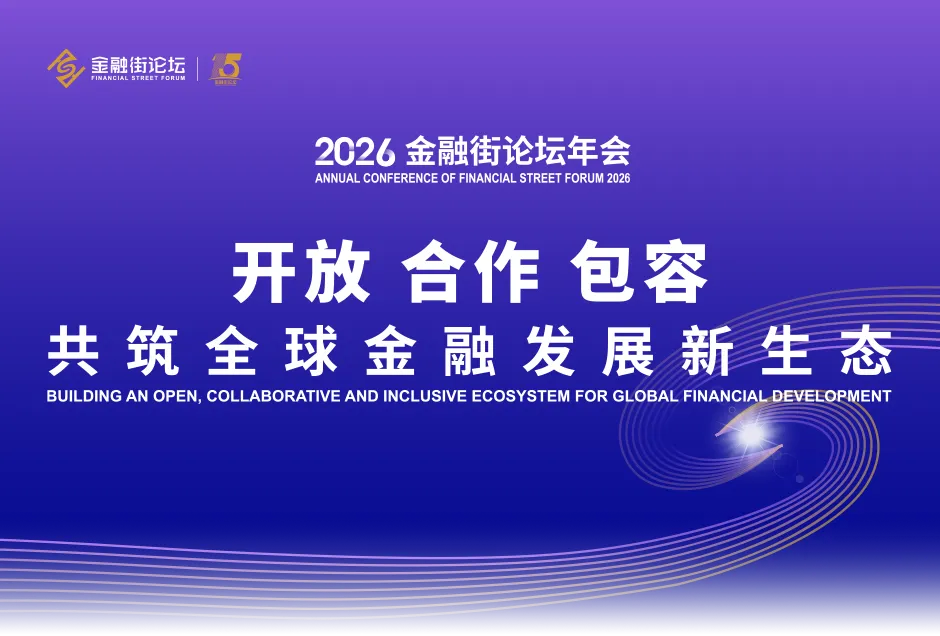
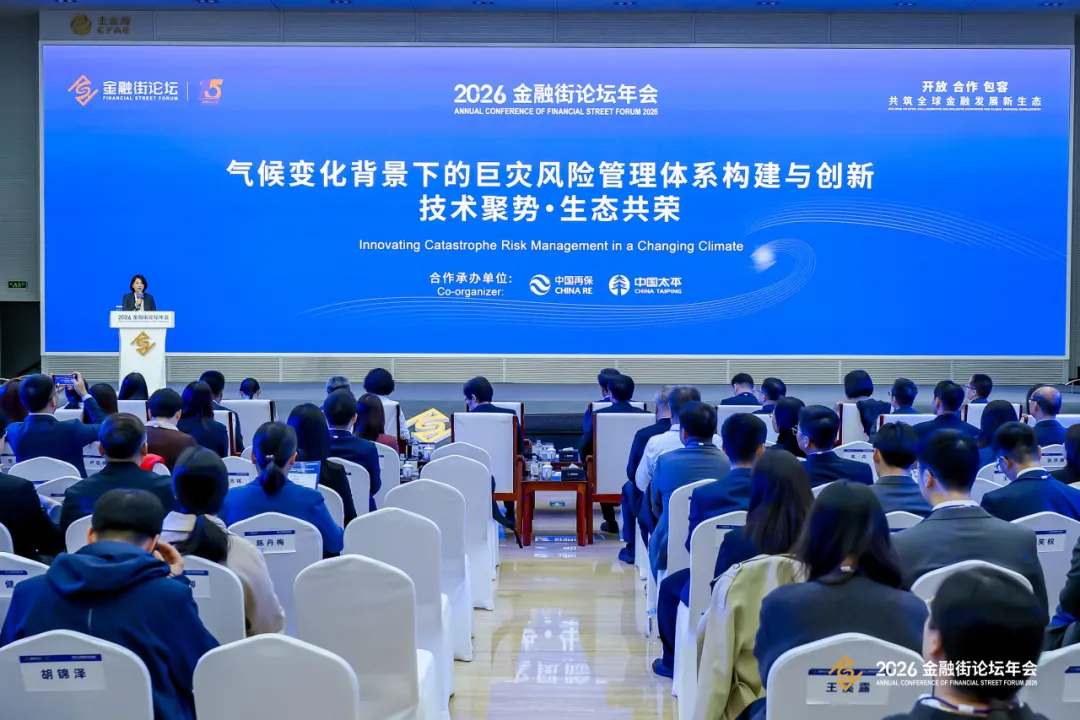
On 21 October, a sub-forum of the Annual Conference of Financial Street Forum 2026 was held at the Beijing Financial Assets Exchange under the theme “Innovating Catastrophe Risk Management in a Changing Climate: Harnessing Technology for a Thriving Ecosystem”. Jointly organised by China Re and China Taiping, the event connected venues in Beijing and Hong Kong. Wang Yawei, Director General of the Department of Disaster Mitigation and Services of the China Meteorological Administration; Zhang Tiantian, Deputy Director General of the Financial Stability Bureau of the People’s Bank of China; and Clement Cheung, Chief Executive Officer of the Hong Kong Insurance Authority, attended and addressed the event. Yin Zhaojun, Chairman of China Taiping, and Zhuang Qianzhi, Chairman of China Re, delivered keynote addresses on behalf of the co-hosts.
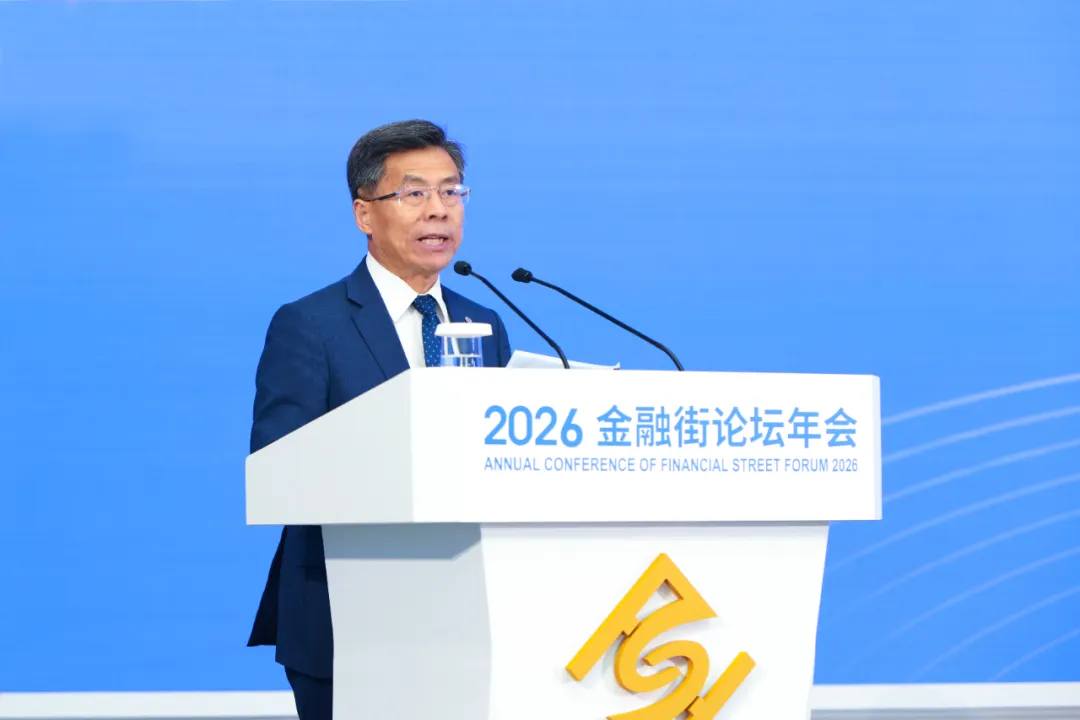
Mr. Zhuang noted that reinsurance is insurance for insurers: it diversifies risks borne by individual institutions, assumes risks across the broader system and safeguards the baseline of economic and social security. As a stabilising force in addressing climate and catastrophe risks, reinsurance diversifies and assumes risks across regions, peril types and time horizons. It cushions major catastrophe losses, stabilises the insurance market and supports post-disaster recovery, providing comprehensive support for climate and catastrophe risk governance. Going forward, China Re will focus on three priorities:
First, strengthening the data and modelling foundations. China Re will integrate meteorological, disaster, asset and loss data from multiple sources, and continuously enhance its capabilities in climate risk identification, quantitative assessment and risk pricing.
Second, deepening industry collaboration and cross-sector cooperation. Focusing on climate change impacts, disaster risk prevention and loss sharing, China Re will draw on international experience, deepen data sharing and mechanisms co-construction to strengthen collective efforts in catastrophe risk governance.
Third, expanding application scenarios of “reinsurance + climate finance”. Focusing on key areas such as agriculture, energy, industry and urban development, China Re will apply its capabilities of risk protection, risk management and risk diversification in concrete scenarios including green and low-carbon economy transition, food security and the development of resilient cities, supporting the green transition of the real economy.
During the sub-forum, China Re launched a drought stress-testing model on Climate Vision, its climate change risk insight platform. Drought is the second-largest source of economic losses from natural disasters in China. Building on the previously released typhoon and flood risk stress-testing models, the new drought model further develops the established framework of hazard, vulnerability and exposure. With this addition, Climate Vision now covers meteorological perils responsible for 80% of disaster losses in China. The launch expands the range of tools available in China for quantifying climate risks and marks a new breakthrough for China Re in the quantitative assessment of drought, a major climate hazard.

The sub-forum brought together more than 100 participants to discuss catastrophe risk management, including senior executives and experts from relevant ministries and commissions, domestic and overseas insurers, reinsurers and financial institutions. Speakers addressed topics including the development of a catastrophe insurance protection system and the improvementof a macroprudential framework for climate risk management. Wang Zhongyao, General Manager of China Re P&C, moderated a panel discussion themed “Reinsurance Supporting Catastrophe Risk Governance in a Changing Climate”. Participants exchanged views in depth on the central role of reinsurance in catastrophe risk diversification, closer cross-sector collaboration among meteorology, insurance and finance, and the use of technology and international cooperation to advance catastrophe risk management. China Taiping also held a panel discussion on building climate resilience under a thriving ecosystem, helping to build consensus on closer practical cooperation to better support economic and social security, stability and sustainable development.

 CHINA RE P&CCHINA RE LIFECHINA CONTINENT INSURANCECHINA RE ASSETHUATAI SERVICECHINA RE CRM
 CHAUCER
 CNIP
 OVERSEAS ORGANIZATIONS

Copyright © China Reinsurance (Group) Corporation. This site supports IPv6 access
Address: No.11 Jinrong Avenue, Xicheng District, Beijing, China
Post Code: 100033
IR Line:(8610)66576880
